Author: Ms. Behzadd Ghotbifar

Oct 20, 2025 Hearing Aids

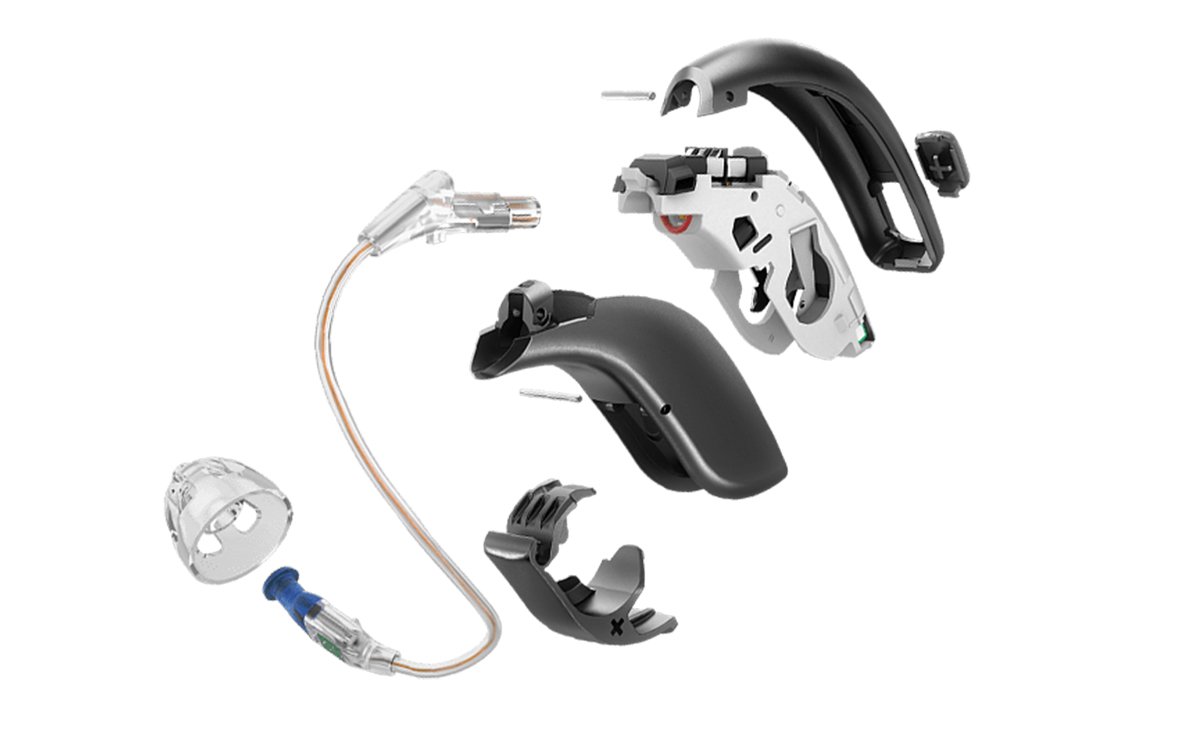
Hearing aids components

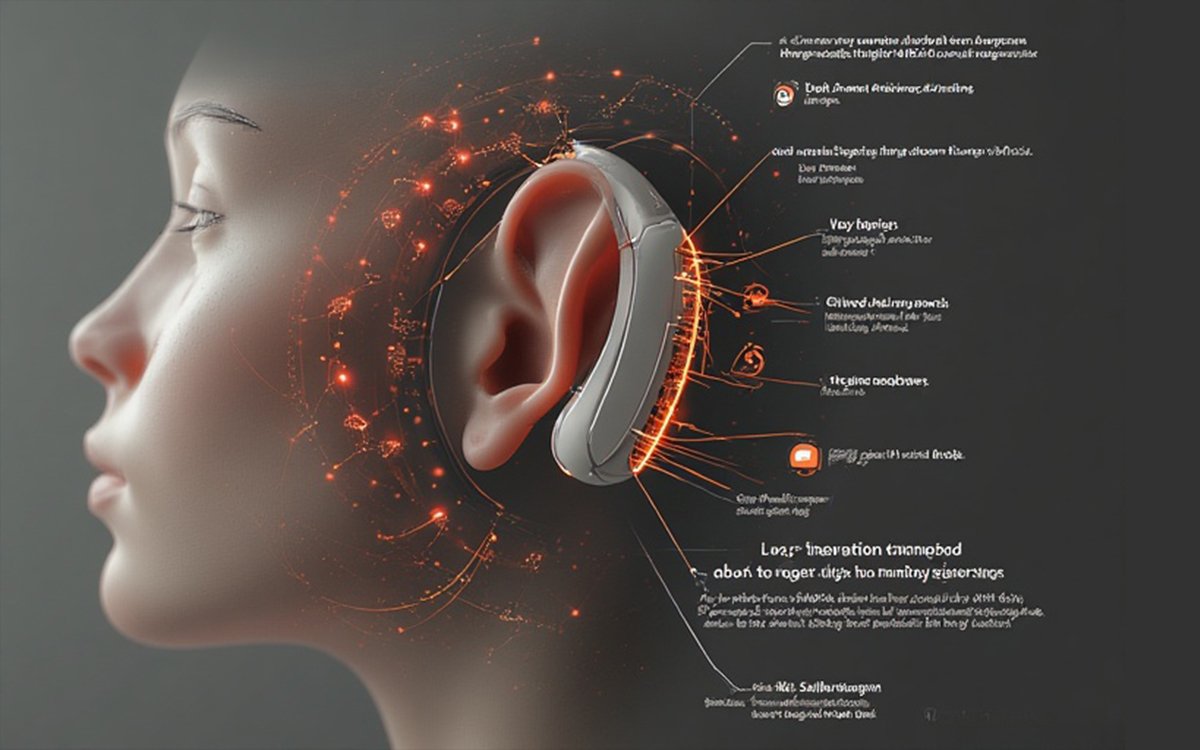
  Hearing aids have numerous essential components, each engineered to enhance and process sound for those with hearing impairment. Audiologists must possess a comprehensive understanding of these components to effectively recommend, fit, and troubleshoot hearing aids. Below is an analysis of the principal elements and their respective functions: Microphone – Function: The microphone picks up…


Read article
Oct 20, 2025 Hearing Aids

Cognitive Load and Listening Effort in Hearing Aid Users: What Clinicians Need to Know

  Communication is intrinsically a cognitively taxing endeavor, necessitating the fluid amalgamation of auditory perception, attention, memory, and linguistic processing. For persons with hearing impairment, this process becomes far more arduous. Impaired auditory input compels the brain to expend more cognitive resources to interpret speech, a phenomenon typically termed listening effort. Cognitive load broadly refers…

Read article
Oct 20, 2025 Hearing Aids

The Future of Hearing Aid Technology: From AI Integration to Personalized Fitting

  Hearing loss is one of the most prevalent sensory disorders worldwide, impacting hundreds of millions of people across all age demographics. Recent worldwide health estimates indicate that more than 460 million individuals experience disabling hearing loss, with projections suggesting a significant increase by 2050. The ramifications of unaddressed hearing impairment extend beyond reduced auditory…

Read article
Oct 20, 2025 Hearing Aids

Hearing Aid Management in Severe-to-Profound Hearing Loss: Challenges, Strategies, and Technological Advances

Severe-to-profound hearing loss, generally characterized by a pure-tone average (PTA) of 70 dB HL or above, constitutes one of the most difficult demographics for auditory rehabilitation. In contrast to those with mild or moderate hearing loss, those with severe-to-profound losses face considerable challenges in both audibility and the processing of intricate auditory information. Cochlear implants…

Read article
Oct 20, 2025 Hearing Aids

Vibrant Soundbridge: Expanding Options for Middle Ear Hearing Rehabilitation

  Introduction The Vibrant Soundbridge (VSB) is an active middle ear implant intended for people with sensorineural, conductive, or mixed hearing loss who do not derive adequate benefit from traditional hearing aids. In contrast to external amplification methods, the VSB directly engages middle ear tissues, providing enhanced sound quality, diminished feedback, and superior aesthetics for…

Read article
Oct 20, 2025 Hearing Aids

Bonebridge Hearing Implant: Indications, Surgical Techniques, and Clinical Outcomes

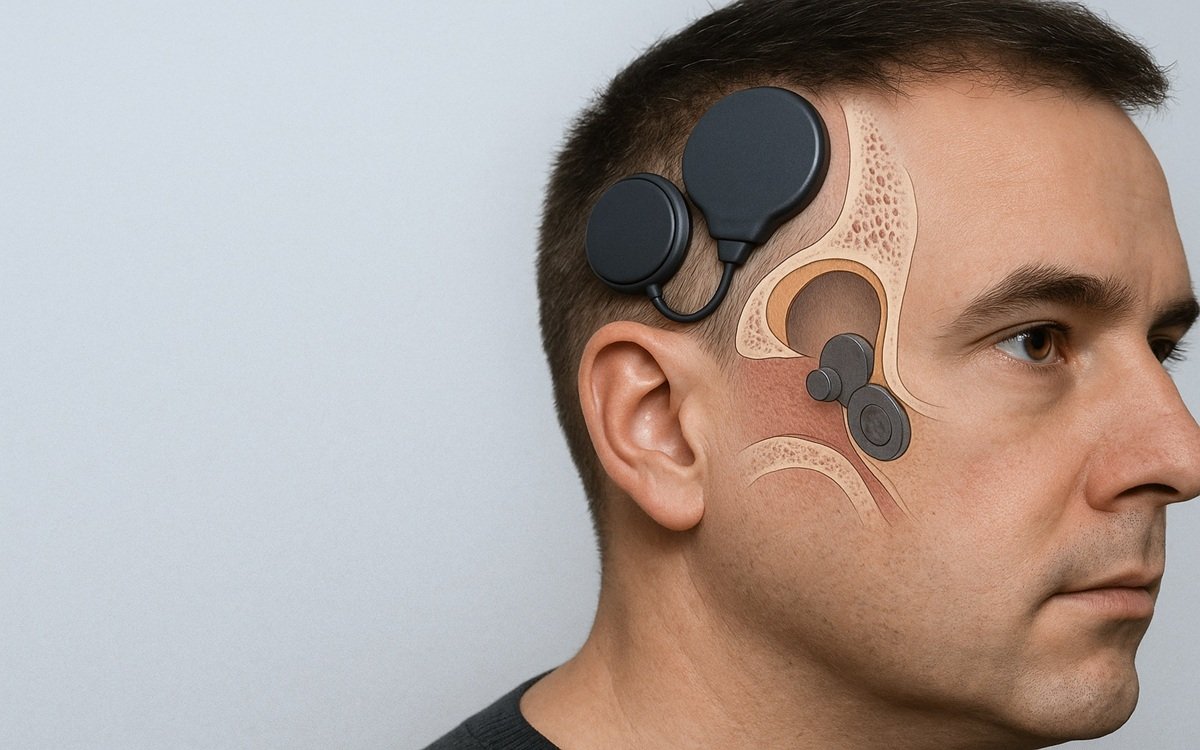
  Introduction The Bonebridge hearing implant is a novel active bone conduction technology designed to treat conductive, mixed, and specific forms of single-sided deafness (SSD). In contrast to percutaneous bone-anchored hearing aids (BAHAs), the Bonebridge is entirely implanted subcutaneously, delivering vibrations directly to the inner ear by bone conduction. This method reduces skin problems and…

Read article
Oct 20, 2025 Hearing Aids

Cochlear Implants: Clinical Outcomes and Rehabilitation Strategies

  Introduction Cochlear implantation is a highly effective strategy for individuals with severe-to-profound sensorineural hearing loss who receive minimal improvement from conventional hearing aids. Candidacy criteria and surgical methods are essential, but long-term outcomes and rehabilitation programs predominantly dictate the success of implantation. For audiologists, speech-language pathologists, and otologists, a comprehensive grasp of these elements…

Read article
Oct 20, 2025 Hearing Aids

Cochlear Implants: Mechanisms, Indications, and Candidacy Criteria

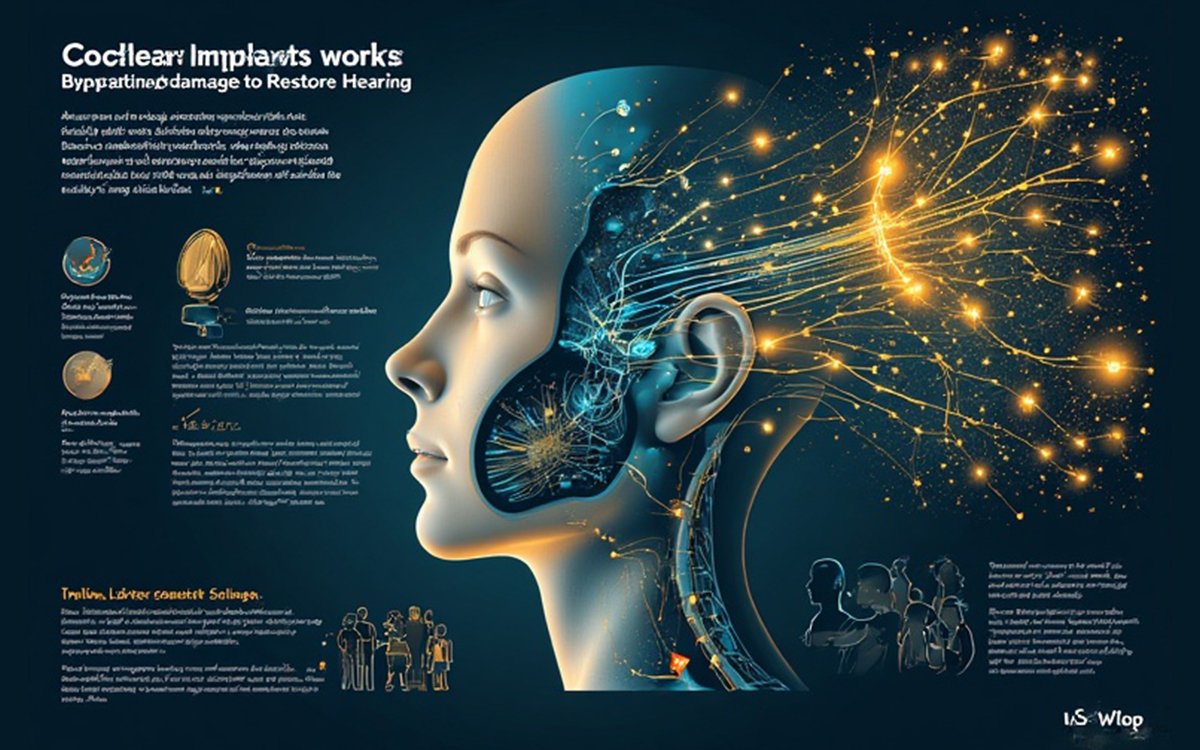
  Introduction Cochlear implants (CIs) constitute a paramount advancement in contemporary audiology and otology. Cochlear implants, in contrast to traditional hearing aids that enhance sound, directly activate the auditory nerve, circumventing impaired sensory hair cells in the cochlea. Since its initial clinical application in the 1970s, advancements in technology, surgical methodologies, and patient criteria have…

Read article
Oct 20, 2025 Tinnitus

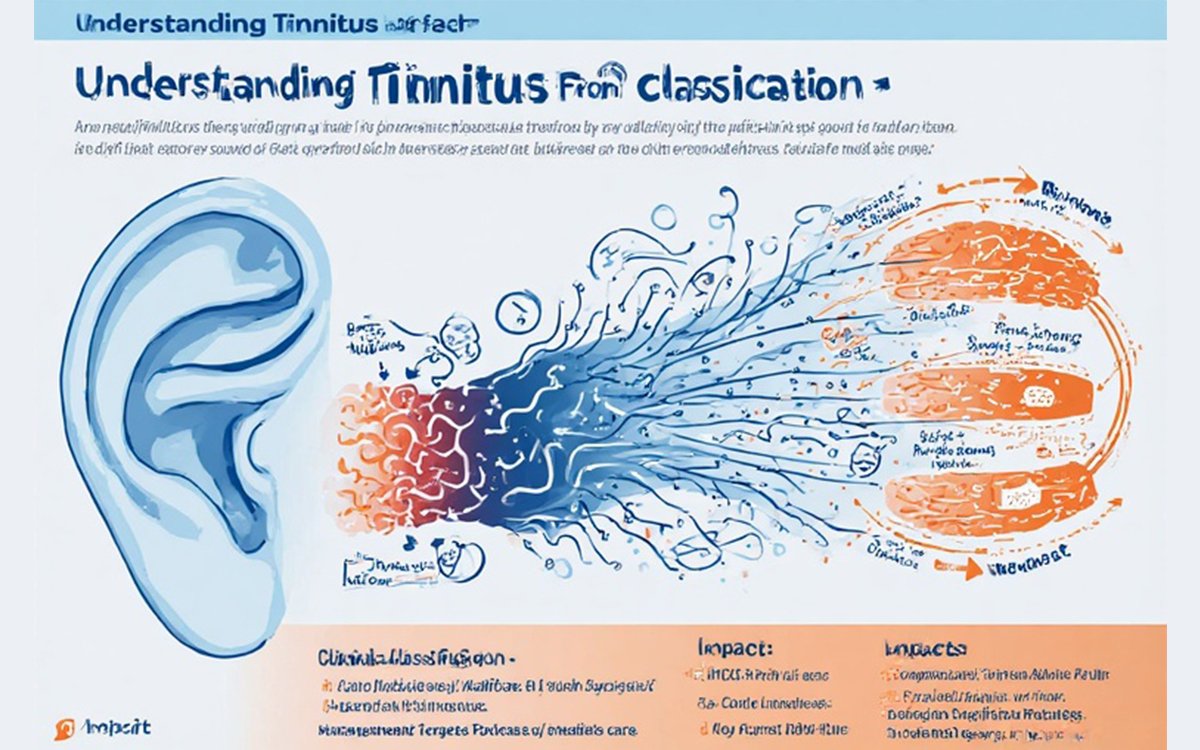
Understanding Tinnitus: Definitions, Mechanisms, and Clinical Classifications

  Introduction Tinnitus is a prevalent condition in audiology, impacting millions globally and presenting challenges to physicians due to its variability. Tinnitus, commonly known as a “phantom sound,” is the awareness of noise in the absence of an external cause. For certain people, it is a minor inconvenience; for others, it constitutes a transformative condition…

Read article
Oct 20, 2025 Tinnitus

Tinnitus Assessment and Diagnosis: Best Practices for Audiologists

Introduction Tinnitus, often characterized as the sensation of sound in the absence of an external auditory stimulus, is among the most widespread auditory complaints globally. Epidemiological studies reveal that roughly 10–15% of adults suffer from chronic tinnitus, with about 2–3% experiencing substantial disability due to the condition. Patients frequently describe auditory sensations such as ringing,…

Read article