Category: Hearing Aids

Rechargeable Hearing Aids: Lithium-Ion Batteries, Lifespan, and User Compliance

Rechargeable Hearing Aids: Lithium-Ion Batteries, Lifespan, and User Compliance

Rechargeable hearing aids have emerged as a prevailing trend in contemporary auditory rehabilitation, transforming the anticipations of both doctors and patients about ease, reliability, and general functioning. Improvements in lithium-ion battery architecture have enabled hearing aids to progress beyond mere amplification devices to sophisticated systems that necessitate a reliable energy supply for advanced digital processing….
READ MORE
Wireless Connectivity in Modern Hearing Aids: Bluetooth, Teleaudiology, and Remote Fine-Tuning

Wireless Connectivity in Modern Hearing Aids: Bluetooth, Teleaudiology, and Remote Fine-Tuning

Wireless communication has evolved contemporary hearing aids from independent amplification devices into sophisticated, interconnected auditory systems. The incorporation of Bluetooth connection, mobile applications, teleaudiology platforms, and remote fine-tuning has radically transformed the delivery, monitoring, and optimization of hearing rehabilitation. These technologies have enhanced accessibility to audiological services, refined customization, and bolstered long-term patient engagement. Bluetooth…

READ MORE
Pediatric Hearing Aids: Fitting, Verification, and Long-Term Auditory Development

Pediatric Hearing Aids: Fitting, Verification, and Long-Term Auditory Development

The fitting of hearing aids for pediatric patients is a crucial and delicate aspect of audiology, as auditory input in early childhood significantly influences the development of speech, language, cognition, academic achievement, and social integration. Pediatric hearing aid use is not simply compensatory like in adults; it is a neurodevelopmental imperative that affects the development…

READ MORE
Modern Hearing Aid Technologies in Tinnitus-Oriented Auditory Rehabilitation

Modern Hearing Aid Technologies in Tinnitus-Oriented Auditory Rehabilitation

Contemporary hearing aids have evolved significantly beyond mere sound amplification and are now considered advanced neuro-auditory rehabilitation systems essential for tinnitus-focused auditory treatment. For people with persistent tinnitus, especially those with concurrent sensorineural hearing loss, modern hearing aid technology offers two critical therapeutic benefits: the restoration of environmental sound perception and a significant decrease in…

READ MORE

Real Ear Measurement

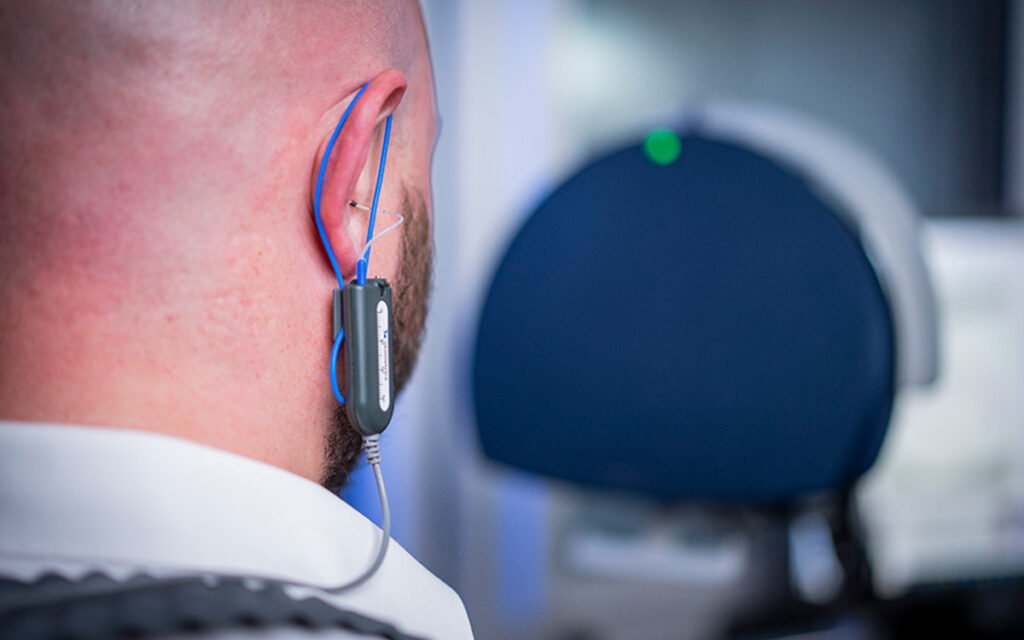
Real Ear Measurement (REM) is a clinical approach employed by audiologists to validate and enhance the efficacy of hearing aids for specific individuals. This entails quantifying the auditory levels within the patient’s ear canal to verify that the hearing aids provide appropriate amplification according to their individual hearing profile. This procedure is regarded as the…

READ MORE

Hearing aids components

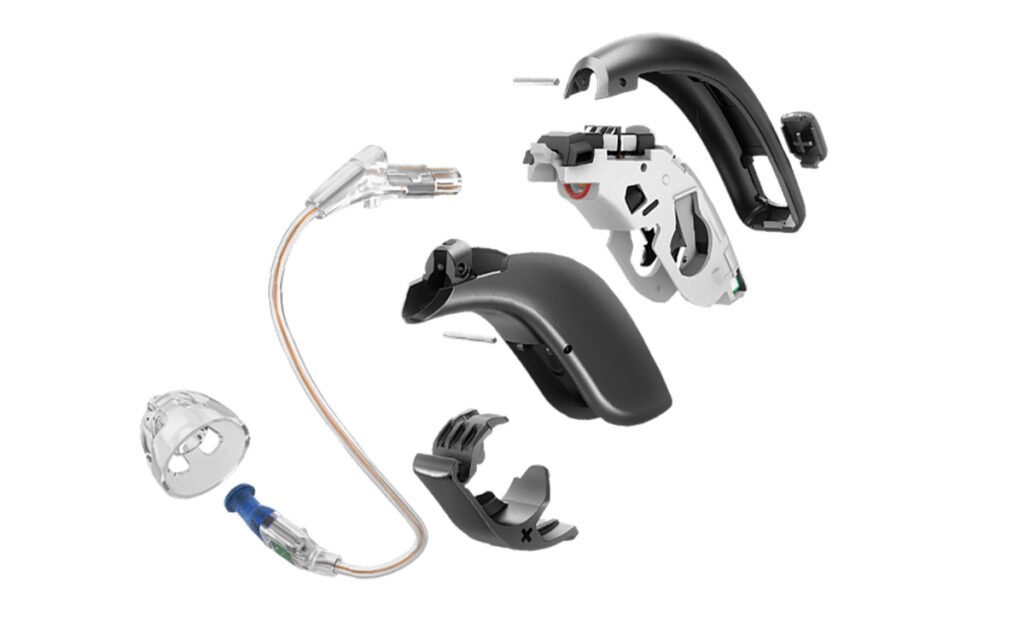
  Hearing aids have numerous essential components, each engineered to enhance and process sound for those with hearing impairment. Audiologists must possess a comprehensive understanding of these components to effectively recommend, fit, and troubleshoot hearing aids. Below is an analysis of the principal elements and their respective functions: Microphone – Function: The microphone picks up…

READ MORE

Cognitive Load and Listening Effort in Hearing Aid Users: What Clinicians Need to Know

  Communication is intrinsically a cognitively taxing endeavor, necessitating the fluid amalgamation of auditory perception, attention, memory, and linguistic processing. For persons with hearing impairment, this process becomes far more arduous. Impaired auditory input compels the brain to expend more cognitive resources to interpret speech, a phenomenon typically termed listening effort. Cognitive load broadly refers…

READ MORE

The Future of Hearing Aid Technology: From AI Integration to Personalized Fitting

  Hearing loss is one of the most prevalent sensory disorders worldwide, impacting hundreds of millions of people across all age demographics. Recent worldwide health estimates indicate that more than 460 million individuals experience disabling hearing loss, with projections suggesting a significant increase by 2050. The ramifications of unaddressed hearing impairment extend beyond reduced auditory…

READ MORE

Hearing Aid Management in Severe-to-Profound Hearing Loss: Challenges, Strategies, and Technological Advances

Severe-to-profound hearing loss, generally characterized by a pure-tone average (PTA) of 70 dB HL or above, constitutes one of the most difficult demographics for auditory rehabilitation. In contrast to those with mild or moderate hearing loss, those with severe-to-profound losses face considerable challenges in both audibility and the processing of intricate auditory information. Cochlear implants…

READ MORE

Vibrant Soundbridge: Expanding Options for Middle Ear Hearing Rehabilitation

  Introduction The Vibrant Soundbridge (VSB) is an active middle ear implant intended for people with sensorineural, conductive, or mixed hearing loss who do not derive adequate benefit from traditional hearing aids. In contrast to external amplification methods, the VSB directly engages middle ear tissues, providing enhanced sound quality, diminished feedback, and superior aesthetics for…

READ MORE