Category: Vestibular

Bedside Vestibular Tests: Clinical Value, Accuracy, and Limitations

Bedside Vestibular Tests: Clinical Value, Accuracy, and Limitations

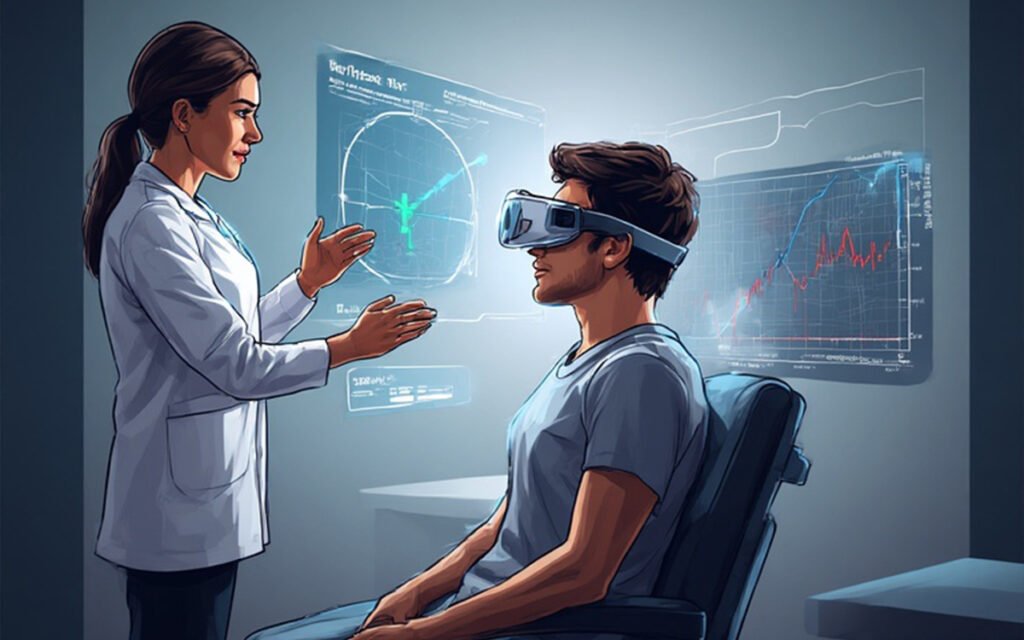
The bedside vestibular examination is an essential aspect of dizziness assessment, enhancing laboratory evaluations and delivering quick, physiologically pertinent insights into vestibular function. These assessments provide insights into vestibulo-ocular and vestibulo-spinal functionality, enhancing diagnostic efficiency, informing the necessity for additional investigations, and facilitating prompt treatment decisions. The clinical efficacy of bedside testing relies on meticulous…

READ MORE
Cervicogenic Dizziness: Clinical Features, Assessment Challenges, and Multisystem Management

Cervicogenic Dizziness: Clinical Features, Assessment Challenges, and Multisystem Management

Cervicogenic dizziness is a contentious and diagnostically intricate condition wherein it is ascribed to atypical sensory input emanating from the cervical spine, rather than the vestibular end organs. This syndrome, in contrast to peripheral vestibular disorders, originates from impaired cervical proprioception and its modified integration with vestibular and visual data at the brainstem and cerebellar…

READ MORE
Psychogenic Dizziness and PPPD: Clinical Characteristics, Assessment, and Multidisciplinary Management

Psychogenic Dizziness and PPPD: Clinical Characteristics, Assessment, and Multidisciplinary Management

Psychogenic dizziness involves a complex interplay of vestibular physiology, multisensory integration, and psychological management. Persistent Postural–Perceptual Dizziness (PPPD) is classified as a primary functional vestibular illness, distinguished by chronic non-vertiginous dizziness, heightened postural instability, and significant sensitivity to visual motion. PPPD poses a diagnostic problem, as conventional vestibular assessments frequently yield normal results or just…

READ MORE
Central vs. Peripheral Vertigo: Red Flags and Early Identification of High-Risk Presentations

Central vs. Peripheral Vertigo: Red Flags and Early Identification of High-Risk Presentations

Vertigo is a multifaceted sensory disorder marked by a distorted impression of movement, typically articulated as spinning, tilting, swaying, or rotating motion. It may stem from malfunctioning either the peripheral vestibular apparatus or the central vestibular pathways. Distinguishing between these two types is essential, as peripheral vertigo is typically benign and self-resolving, but central vertigo…

READ MORE

Advances in Vestibular Testing: From Video Head Impulse Test (vHIT) to Vestibular Evoked Myogenic Potentials (VEMPs)

The precise diagnosis of vestibular dysfunction is crucial for comprehending and addressing dizziness, vertigo, and balance issues. These illnesses are prevalent and very debilitating, impacting millions of individuals globally and markedly diminishing quality of life. For numerous years, clinicians depended on conventional diagnostic techniques, including caloric irrigation, rotational chair assessments, and clinical bedside maneuvers. Although…

READ MORE

The Role of Vestibular Rehabilitation in Preventing Falls in Older Adults

Falls continue to be a significant public health issue in older populations, constituting a primary cause of morbidity, mortality, and loss of autonomy. The World Health Organization reports that about one-third of those over 65 experience at least one fall annually, with nearly half of individuals aged 80 or older afflicted. The repercussions extend beyond…

READ MORE

Integration of Virtual Reality in Vestibular Rehabilitation and Balance Training

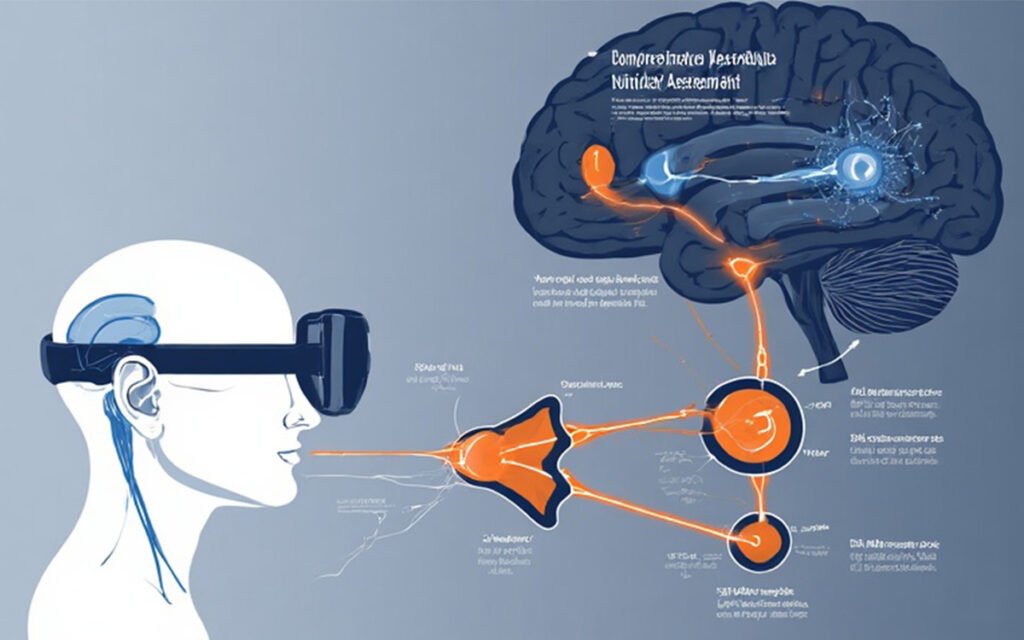
Vestibular disorders are among the most debilitating medical conditions, impacting millions globally. Patients frequently exhibit dizziness, instability, confusion, and compromised movement. These symptoms not only impair daily functioning but also lead to social isolation, diminished autonomy, and a decreased quality of life. Conventional vestibular rehabilitation therapy has been acknowledged as an efficacious, evidence-supported method for…

READ MORE

The Video Head Impulse Test

The Video Head Impulse Test (vHIT) is a diagnostic instrument employed to evaluate the functionality of the vestibulo-ocular reflex (VOR), which maintains visual stability during head movements. It is frequently utilized in the assessment of vestibular system diseases, especially those impacting the semicircular canals of the inner ear. How It Works Setup: – The patient…

READ MORE

Differential Diagnosis between Vestibular Migraine and Ménière’s Disease

Vertigo is a prevalent symptom in neurology and otological illnesses; however, determining the precise etiology can be challenging. The primary offenders are vestibular migraine (VM) and Ménière’s disease (MD). Both diseases are characterized by spells of dizziness, auditory issues, and fluctuations in intensity. Nonetheless, their underlying causes and therapies are markedly distinct. Distinguishing between these…

READ MORE

Caloric Test: A Comprehensive Guide to Evaluating Balance Disorders

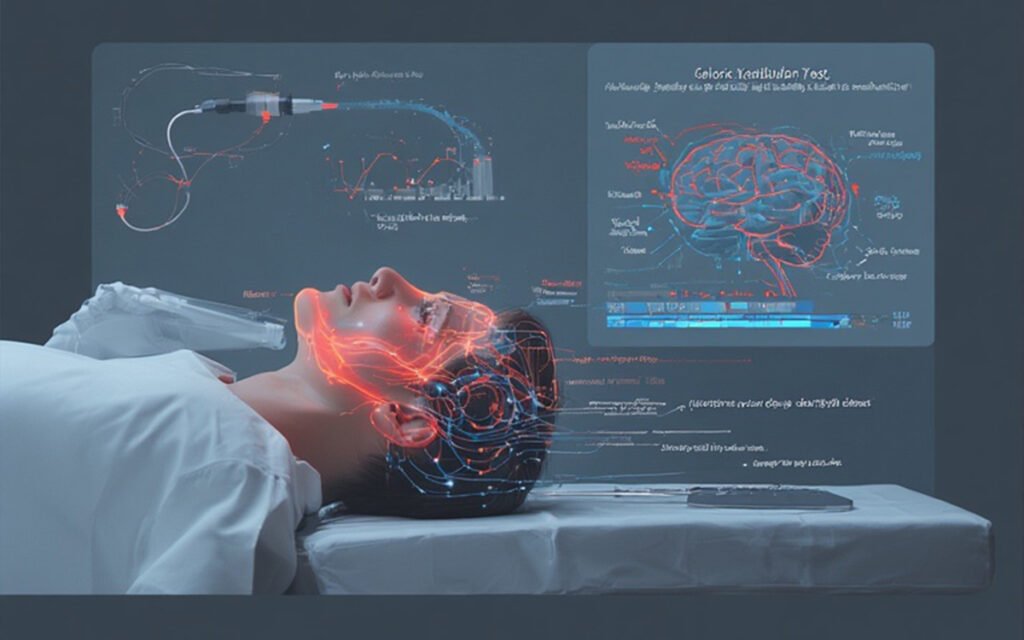
Dizziness and equilibrium disturbances are prevalent issues that prompt numerous people to seek medical attention in clinics throughout. These symptoms can be distressing and substantially impact daily living, rendering precise diagnosis imperative. The Caloric Test is one of the most dependable diagnostic procedures for evaluating vestibular function. This test offers essential insights into the causes…

READ MORE