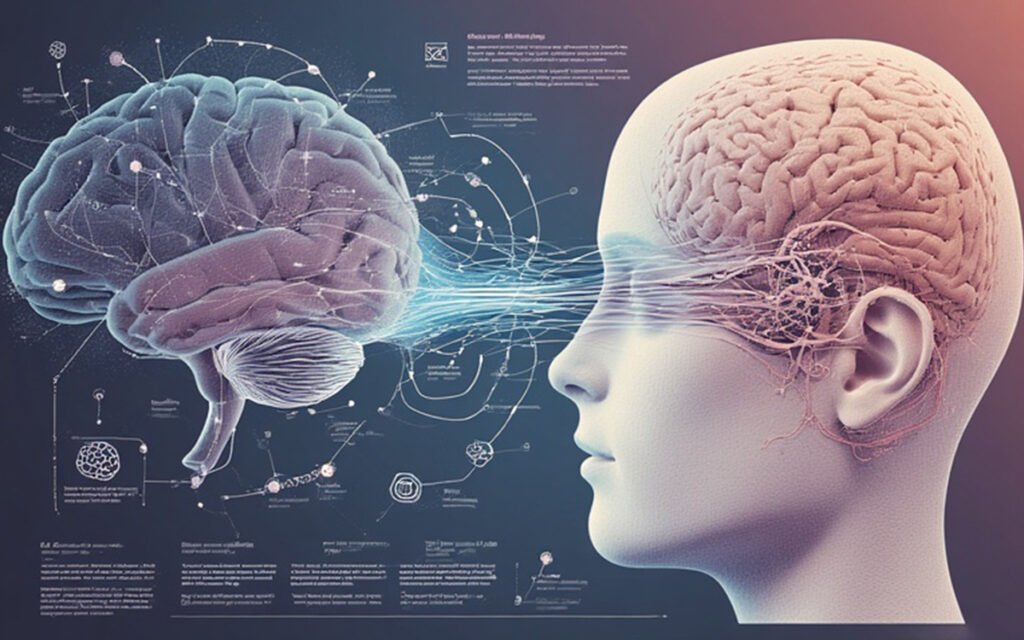
Category: Otolgy/Neurootology

What is APD?

  APD is a complex designation referring to any auditory element believed to require atypical cerebral processing of sounds. A primary conclusion from this analysis is the significant ambiguity and persistent (courteous) dissent concerning the symptoms, tests, stimuli, mechanisms, and therapies suitable for defining, diagnosing, and treating APD. The objective of this work is to…
READ MORE

Management of Central Auditory Processing Disorder

  The central auditory circuit demonstrates significant intrinsic redundancy, increasing from the periphery to the cortex. The inferior colliculus comprises roughly 250,000 fibers, nearly tenfold the quantity present in the auditory nerve. Therefore, a localized lesion or dysfunction in the central auditory nerve system is unlikely to be reflected in pure-tone threshold assessments. Significant processing…

READ MORE

CAPD Management

  Informal Auditory Training Informal auditory training encompasses several activities aimed at enhancing essential auditory systems and processes, such as auditory closure, temporal patterning and prosody, auditory discrimination, dichotic listening, and interhemispheric information transfer. Despite the scarcity of empirical research beyond single-case studies, these training approaches have been extensively applied in educational settings for children….

READ MORE

Auditory processing disorder (Aetiology)

Auditory processing disorder (APD) is a form of hearing impairment resulting from a dysfunction in the brain region responsible for auditory processing. Auditory impairment results in several forms of hearing loss. APD is occasionally referred to as central auditory processing disorder (CAPD). It is possible for everyone to experience this. However, it predominantly occurs in…

READ MORE