Category: Hearing Aids

Bonebridge Hearing Implant: Indications, Surgical Techniques, and Clinical Outcomes

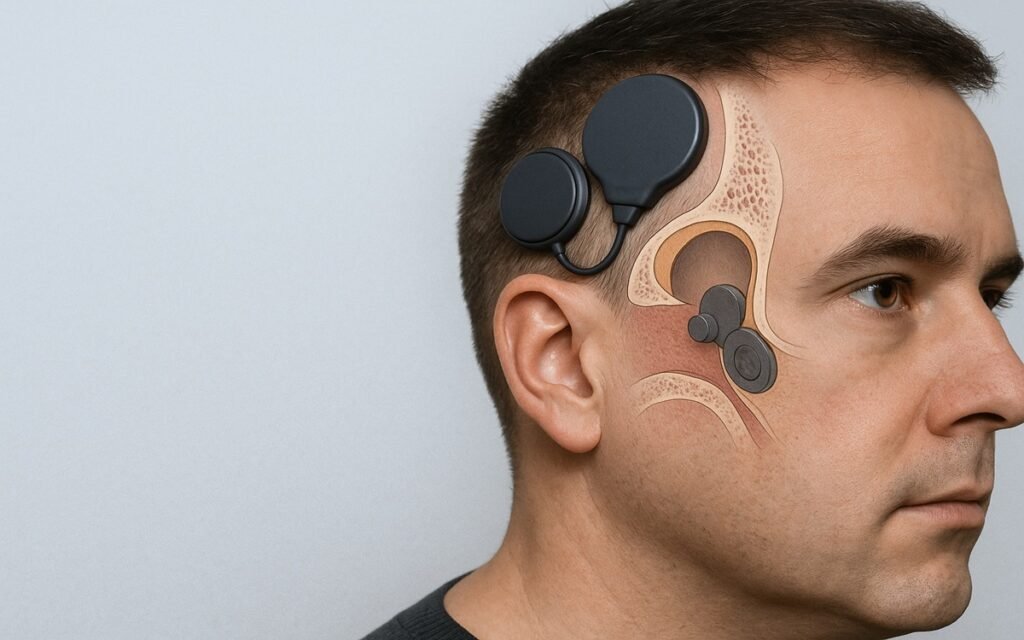
  Introduction The Bonebridge hearing implant is a novel active bone conduction technology designed to treat conductive, mixed, and specific forms of single-sided deafness (SSD). In contrast to percutaneous bone-anchored hearing aids (BAHAs), the Bonebridge is entirely implanted subcutaneously, delivering vibrations directly to the inner ear by bone conduction. This method reduces skin problems and…


READ MORE

Cochlear Implants: Clinical Outcomes and Rehabilitation Strategies

  Introduction Cochlear implantation is a highly effective strategy for individuals with severe-to-profound sensorineural hearing loss who receive minimal improvement from conventional hearing aids. Candidacy criteria and surgical methods are essential, but long-term outcomes and rehabilitation programs predominantly dictate the success of implantation. For audiologists, speech-language pathologists, and otologists, a comprehensive grasp of these elements…

READ MORE

Cochlear Implants: Mechanisms, Indications, and Candidacy Criteria

  Introduction Cochlear implants (CIs) constitute a paramount advancement in contemporary audiology and otology. Cochlear implants, in contrast to traditional hearing aids that enhance sound, directly activate the auditory nerve, circumventing impaired sensory hair cells in the cochlea. Since its initial clinical application in the 1970s, advancements in technology, surgical methodologies, and patient criteria have…

READ MORE