
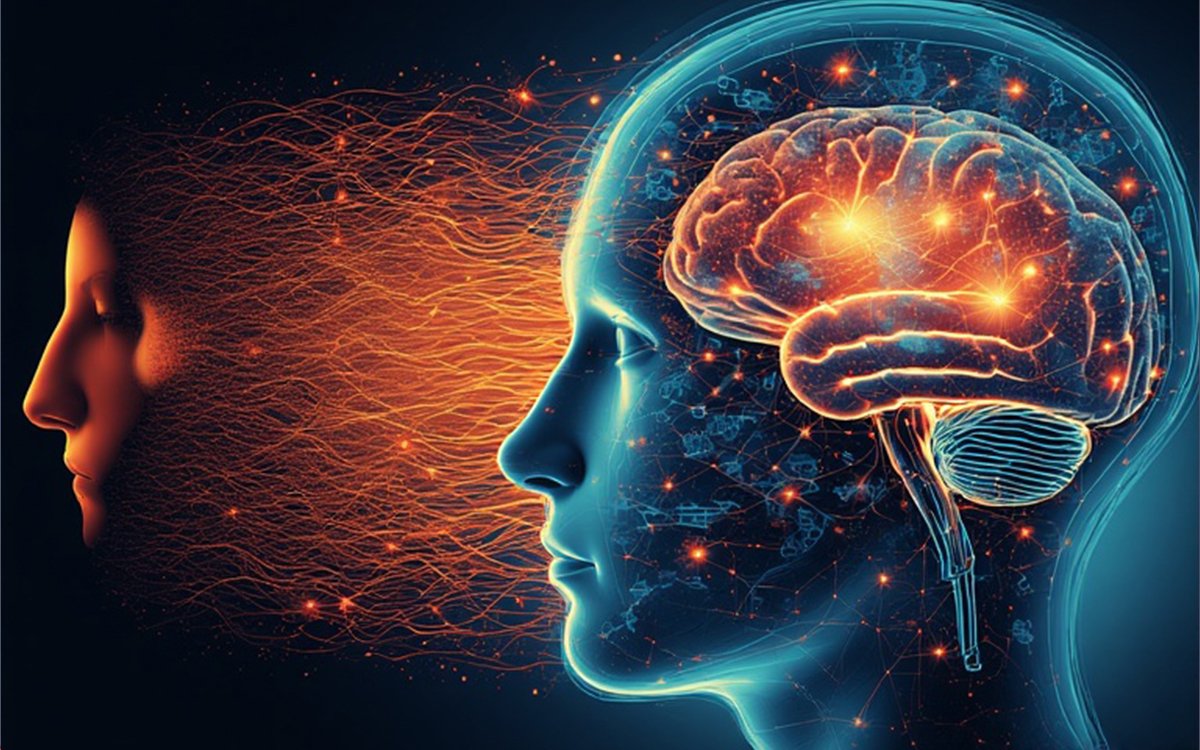
Tinnitus is frequently characterized as a phantom auditory sensation—such as buzzing, ringing, or humming—experienced in the absence of an external stimulus. For decades, audiologists and otolaryngologists regarded it largely as an auditory disorder. However, over time, a more intricate understanding has developed: tinnitus extends beyond mere auditory perception. The subject pertains to the brain, cognition, and mental health.
Individuals with tinnitus often report not just the distress of auditory perception but also challenges with focus, memory, sleep, mood, and general mental health. Comprehending these wider implications is essential for audiologists aiming to deliver holistic, patient-centered care.
This article examines the cognitive and psychological aspects of tinnitus, elucidates insights from neuroscience, and provides a framework for audiologists to incorporate this knowledge into their practice.
Tinnitus and the Brain: A Window into Cognitive Processing
Tinnitus arises in the auditory system but rapidly engages non-auditory brain networks, including those associated with attention, emotion, and executive function. Neuroimaging research employing fMRI, EEG, and MEG has demonstrated:
- Hyperactivity in the auditory cortex: This is thought to reflect the brain’s maladaptive response to reduced auditory input.
- Connectivity with limbic regions (amygdala, hippocampus): Explains why tinnitus often feels emotionally intrusive.
- Engagement of the default mode network (DMN): Tinnitus occupies mental “idle time,” disrupting normal resting-state brain activity.
- Prefrontal cortex involvement: Suggests that higher-order processes like attention and cognitive control are affected.
Tinnitus is not merely perceived audibly; it is also contemplated, responded to, and recalled, so engaging cognitive processes.
Cognitive Domains Affected by Tinnitus
Patients often indicate that tinnitus impairs their ability to think clearly. Research corroborates this assertion. Meta-analyses and clinical research indicate significant cognitive disparities in tinnitus patients, particularly in:
- Attention
- Sustained attention tasks show that tinnitus patients are more easily distracted.
- Selective attention is impaired because the brain constantly monitors the internal noise.
- Working Memory
- Studies using n-back tasks reveal reduced accuracy in tinnitus groups.
- This may reflect the cognitive load of continuously suppressing or coping with phantom sound.
- Executive Function
- Tasks that require planning, inhibition, or switching between rules often show poorer performance.
- This is consistent with increased prefrontal cortex activity in tinnitus patients.
- Processing Speed
- Some evidence suggests that tinnitus slows down mental processing, especially under stress.
Although these deficiencies are sometimes moderate, they considerably impact quality of life, especially in rigorous professional or academic environments.
The Psychological Burden: More Than Just Annoyance
Tinnitus is, for many, not merely a background noise but a psychological burden. The prevalent comorbidities encompass:
- Anxiety: Patients may fear that tinnitus indicates a serious illness or that it will worsen over time.
- Depression: Chronic intrusive sound can lead to hopelessness and withdrawal.
- Insomnia: Sleep disturbances are both a cause and consequence of psychological distress in tinnitus.
- Post-Traumatic Stress Disorder (PTSD): Especially in military veterans, tinnitus often interacts with trauma-related hypervigilance.
The bidirectional association is significant: tinnitus exacerbates psychological symptoms, while psychological distress, in turn, intensifies tinnitus perception.
Theoretical Models Explaining Cognition and Tinnitus
Various models have been suggested to elucidate the interaction between tinnitus and cognitive as well as affective processes:
- Jastreboff’s Neurophysiological Model
- Suggests that tinnitus becomes problematic when the auditory signal is linked to the limbic and autonomic nervous systems.
- Explains why two patients with the same loudness rating may have vastly different levels of distress.
- Cognitive-Behavioral Model
- Focuses on maladaptive thought patterns (“I cannot cope,” “This will drive me crazy”).
- These beliefs amplify attention to tinnitus and worsen distress.
- Neurocognitive Network Model
- Highlights how tinnitus recruits brain networks beyond the auditory system, disrupting executive control and default mode functioning.
Comprehending these models enables audiologists to perceive tinnitus not solely as an auditory experience but as a neurocognitive occurrence.
Clinical Implications for Audiologists
- Screening Beyond the Ear
Audiologists ought to include cognitive and psychological evaluation instruments in tinnitus examinations:
- Tinnitus Handicap Inventory (THI)
- Cognitive screening tools like MoCA (Montreal Cognitive Assessment)
- Standardized anxiety and depression questionnaires
- Interdisciplinary Collaboration
Given the complexity of tinnitus, audiologists should work closely with:
- Psychologists and psychiatrists for CBT or pharmacological management.
- Neurologists when cognitive deficits are prominent.
- Sleep specialists when insomnia is a major complaint.
- Patient-Centered Counseling
Clarifying to patients that tinnitus impacts both the brain and the mind, rather than solely the ear, can be significantly affirming. Patients frequently experience alleviation when their cognitive and emotional challenges are recognized as integral to the disorder.
- Rehabilitation Strategies
- CBT and mindfulness-based therapies help patients reframe tinnitus-related thoughts.
- Sound therapy can reduce salience of tinnitus and free up cognitive resources.
- Cognitive training programs are emerging as promising adjuncts to help restore working memory and attention capacity.
Future Directions: Where Science Is Heading
Neuroimaging and Biomarkers
The current study seeks to uncover cerebral indicators that forecast tinnitus severity or therapeutic response. EEG signatures may assist in distinguishing between patients with high and low cognitive burdens.
Digital Therapeutics
Mobile applications are being created not only for sound masking but also for cognitive enhancement and mindfulness practices. These may facilitate individualized, in-home interventions.
Neuromodulation Techniques
Techniques such as transcranial magnetic stimulation (TMS) and transcranial direct current stimulation (tDCS) are being investigated to influence brain networks associated with tinnitus.
Virtual Reality (VR)
Preliminary research indicates that virtual reality can facilitate immersive distraction and combine sound therapy with visual settings, potentially alleviating the cognitive burden associated with tinnitus.
Practical Takeaways for Audiologists
- Do not treat tinnitus as purely auditory. Always assess cognitive and psychological aspects.
- Validate the patient’s experience. Acknowledge memory lapses, attention difficulties, or emotional struggles.
- Collaborate across disciplines. Audiologists are central, but not sole providers.
- Stay informed. Advances in neuroscience, psychology, and digital health are reshaping tinnitus care.
Conclusion
Tinnitus transcends being merely an auditory disorder; it encompasses both cerebral and psychological dimensions. The disruptive noise captures attention, burdens memory, impedes processing, and significantly affects emotional well-being. By expanding their focus, audiologists can assume a transformative role: not merely addressing auditory issues, but also reinstating cognitive and psychological well-being.
For contemporary audiologists, the difficulty of tinnitus presents an opportunity to adopt holistic, interdisciplinary care that encapsulates the intricate nature of the human auditory experience.
Discussion
0 Comments
No comments yet
Start the discussion with a question, reflection, or clinical perspective.
Leave a reply
Share a thoughtful response or ask a question about this article.