
Introduction
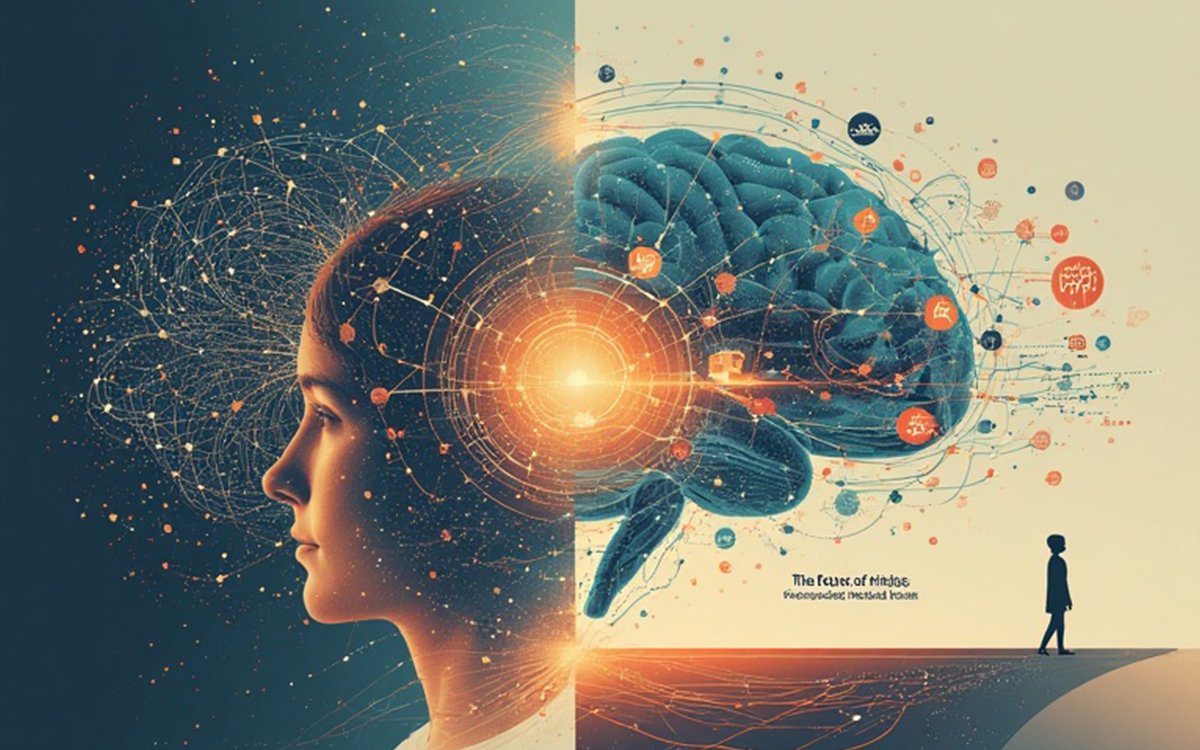
Tinnitus, the auditory perception without an external stimulus, impacts millions globally. Although frequently linked to hearing impairment, the underlying mechanisms are intricate, encompassing both peripheral and central auditory systems, in addition to cognitive and emotional networks. Chronic tinnitus can profoundly affect quality of life, resulting in sleep issues, concentration challenges, and emotional turmoil.
Despite extensive study over several decades, existing management options predominantly focus on alleviating symptoms rather than achieving a cure. Conventional methods, such as hearing aids, sound treatment, and cognitive behavioral therapy (CBT), offer relief to certain patients but may not adequately address the diversity of tinnitus presentations. Consequently, forthcoming research aims to elucidate the neurological mechanisms, uncover objective biomarkers, and devise tailored therapy solutions.
This article examines emerging developments in tinnitus research, including neurobiological advancements, digital treatments, neuromodulation, personalized medicine, and clinical implications for audiologists.
1. Advances in Neurobiological Understanding
1.1 Peripheral and Central Mechanisms
Historically, tinnitus was seen mostly as a cochlear phenomenon caused by hair cell destruction. Contemporary research illustrates the importance of central auditory circuits, maladaptive neural plasticity, and abnormal cortical activity. Injury to cochlear structures may induce hyperactivity in the dorsal cochlear nucleus, which transmits to superior auditory centers and limbic networks, resulting in chronic tinnitus perception.
1.2 Neural Network Mapping
Advanced imaging modalities, such as functional MRI (fMRI), positron emission tomography (PET), magnetoencephalography (MEG), and high-density electroencephalography (EEG), have facilitated the precise mapping of brain networks associated with tinnitus. Irregular rhythmic activity in the gamma and delta frequency bands, along with diminished alpha power, has been linked to the intensity and severity of tinnitus. Recognizing consistent neural fingerprints may facilitate objective diagnosis and targeted therapies.
1.3 Biomarkers and Predictive Models
Recent studies seek to identify electrophysiological and neurochemical biomarkers associated with different subtypes of tinnitus. These indicators could enhance patient classification, allowing doctors to customize medicines based on individual brain profiles. Moreover, prediction models employing machine learning algorithms are being created to anticipate symptom progression and treatment response based on brain and audiometric data.
2. Digital Therapeutics and eHealth Innovations
2.1 Mobile and App-Based Interventions
Smartphone-based tinnitus applications have revolutionized patient involvement. Contemporary applications offer personalized sound therapy, psychoeducational resources, and monitoring technologies that allow patients to observe tinnitus variations in real time. The integration of biofeedback and ecological momentary assessment improves personalization, rendering therapies more attuned to individual symptomatology.
2.2 Teleaudiology and Remote Monitoring
Teleaudiology platforms enable audiologists to provide thorough care remotely, encompassing evaluation, counseling, and therapy. Patients may fill out self-administered questionnaires, document auditory perception, and engage in virtual cognitive behavioral therapy sessions. This method diminishes geographic obstacles, enhances accessibility, and offers longitudinal data on symptom evolution beyond clinical environments.
2.3 Artificial Intelligence and Machine Learning
AI-driven algorithms are becoming essential instruments in the management of tinnitus. Through the analysis of extensive datasets comprising audiometric profiles, psychological evaluations, and patient-reported results, machine learning can forecast which individuals are predisposed to respond favorably to particular interventions. This facilitates evidence-based, personalized treatment strategies and minimizes trial-and-error methodologies.
3. Neuromodulation and Brain Stimulation
3.1 Repetitive Transcranial Magnetic Stimulation (rTMS)
Repetitive transcranial magnetic stimulation (rTMS) delivers electromagnetic pulses to the auditory brain, altering cortical excitability and diminishing tinnitus perception. Clinical investigations have shown little effectiveness, especially in patients with recent-onset tinnitus. Current research seeks to enhance stimulation settings, coil positioning, and frequency to maximize results.
3.2 Transcranial Direct Current Stimulation (tDCS)
tDCS is a non-invasive method that administers low-intensity electrical currents to influence brain activity. When utilized alongside sound therapy or cognitive behavioral therapy, transcranial direct current stimulation (tDCS) demonstrates potential in augmenting therapeutic outcomes. The research aims to develop standardized processes and discover patient traits that forecast positive outcomes.
3.3 Vagus Nerve Stimulation (VNS) and Closed-Loop Systems
Vagus nerve stimulation combined with auditory training fosters synaptic plasticity and facilitates cortical restructuring, potentially alleviating tinnitus. Closed-loop neuromodulation devices, which adjust stimulation according to real-time neural feedback, signify a hopeful advancement in precision therapy. Preliminary research indicates enduring advantages when integrated with specialized auditory therapy.
4. Personalized Medicine in Tinnitus Care
4.1 Genetic and Epigenetic Insights
Tinnitus is mostly affected by environmental variables; however, genetic predispositions have a role in susceptibility and severity. Genome-wide association studies (GWAS) and epigenetic analysis may elucidate particular pathways implicated in auditory processing and brain plasticity. Future therapies may be customized according to individual genetic profiles, thereby improving efficacy and minimizing unwanted effects.
4.2 Patient Stratification and Subtyping
Acknowledging the diversity of tinnitus, forthcoming clinical practice will likely categorize patients according to audiometric profiles, brain activity, psychosocial comorbidities, and symptom intensity. This segmentation enables focused therapies, enhances outcome prediction, and streamlines clinical trial design.
4.3 Integration with Advanced Hearing Devices
Hearing aids and cochlear implants are vital instruments in the management of tinnitus. Novel devices incorporate adaptive algorithms that merge amplification with sound therapy, dynamically responding in real time to the patient’s tinnitus pitch and intensity. This combination may optimize therapeutic advantages and enhance compliance.
5. Psychological and Behavioral Approaches
5.1 Cognitive and Third-Wave Therapies
Cognitive Behavioral Therapy (CBT) is the preeminent approach for addressing tinnitus-related discomfort, emphasizing dysfunctional thinking and coping mechanisms. Furthermore, third-wave therapies, such as Acceptance and Commitment Therapy (ACT), mindfulness-based interventions, and compassion-focused therapy, prioritize acceptance, emotional control, and enhancement of quality of life. Studies demonstrate that these methods alleviate tinnitus-associated anxiety, sadness, and functional impairment.
5.2 Digital Delivery of Psychological Interventions
Telehealth systems facilitate the provision of organized digital cognitive behavioral therapy programs, guaranteeing accessibility and scalability. Audiologists are essential in tracking progress, offering direction, and incorporating these therapies into auditory rehabilitation techniques.
6. Big Data, Clinical Trials, and Research Networks
6.1 Global Tinnitus Registries
International registries gather consistent data on numerous patients, facilitating extensive investigations of prevalence, treatment efficacy, and natural history. These databases augment statistical power and enable the identification of clinically pertinent subgroups.
6.2 Innovative Clinical Trial Designs
Adaptive and platform trial designs permit alterations of research parameters based on interim results. These methodologies enhance efficiency, alleviate patient burden, and more effectively address tinnitus heterogeneity in comparison to conventional randomized controlled trials.
7. Ethical and Clinical Considerations
7.1 Managing Patient Expectations
As novel interventions receive increased focus, audiologists must convey realistic expectations while preserving patient optimism. Clarity on possible advantages, hazards, and ambiguities is crucial for maintaining trust and ethical principles.
7.2 Accessibility and Equity
Advanced therapy may entail substantial expenses or encounter limitations in availability. Ensuring equitable access to technology, particularly in underserved regions, will represent a significant ethical problem in the future years.
8. Challenges in Translating Research to Practice
Despite exciting innovations, several barriers remain:
– Variability in tinnitus presentations complicates standardization of treatments.
– Placebo effects influence subjective reports of improvement.
– Long-term efficacy data are limited for many novel therapies.
– Clinician training must evolve to incorporate digital health, neuromodulation, and advanced diagnostic tools.
9. Future Directions
The future of tinnitus management will probably incorporate multifaceted, patient-centric strategies. Audiologists will act as coordinators of personalized care plans, incorporating auditory, psychosocial, and neuromodulatory approaches. Projected trends encompass:
– Biomarker-driven diagnostics for precise patient stratification.
– AI-powered predictive models for treatment selection and monitoring.
– Expansion of teleaudiology and digital therapeutics.
– Personalized neuromodulation protocols tailored to neural and psychological profiles.
– Multidisciplinary collaboration across audiology, neurology, psychiatry, and digital health.
Conclusion
Research on tinnitus is advancing swiftly, providing novel insights into neurological mechanisms, digital treatments, neuromodulation, and personalized therapy. For audiologists, remaining abreast of these advancements is essential for delivering evidence-based, patient-centered therapy.
Future interventions will probably not depend on a singular cure but rather on a combination of strategies customized to each patient’s own auditory, neurological, and psychological characteristics. Audiologists, as primary providers, are distinctly equipped to apply these innovations, directing patients through thorough, interdisciplinary care paths.
The integration of developing technologies, customized medication, and evidence-based psychological therapies is set to significantly enhance patient outcomes and quality of life in tinnitus care during the forthcoming decades.
Discussion
0 Comments
No comments yet
Start the discussion with a question, reflection, or clinical perspective.
Leave a reply
Share a thoughtful response or ask a question about this article.